The Physical Foundation of IT
Hardware refers to the physical components of computers and IT systems. Without hardware, software would have nothing to run on. Hardware includes everything from the processor in your phone to massive servers in data centers.
Central Processing Unit (CPU)
The CPU is the brain of the computer. It executes instructions from programs, performing calculations and controlling other components. Modern CPUs contain billions of transistors and can execute billions of operations per second. Major CPU manufacturers include Intel, AMD, and ARM.
Memory
Memory stores data temporarily for processing. RAM (Random Access Memory) is volatile memory that holds data while the computer is running. When the computer is turned off, data in RAM is lost. Storage devices like hard drives and solid-state drives (SSDs) store data permanently.
Input and Output Devices
Input devices allow users to enter data into a computer. These include keyboards, mice, touchscreens, scanners, and microphones. Output devices display or deliver information from the computer. Monitors, speakers, and printers are common output devices.
Storage Devices
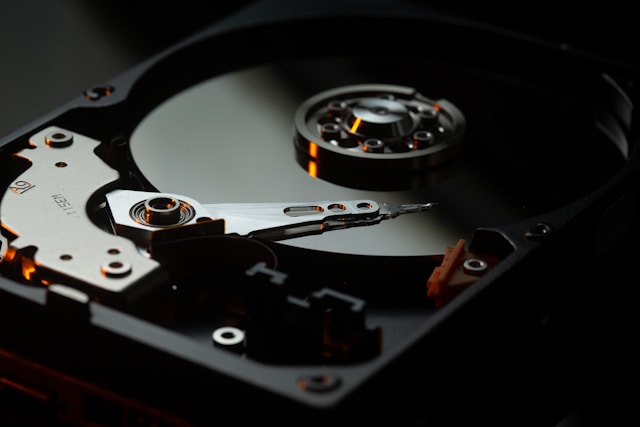
Storage devices hold data permanently. Hard disk drives (HDDs) use magnetic disks to store data. Solid-state drives (SSDs) use flash memory and are faster and more durable. Cloud storage stores data on remote servers accessed via the internet.
Servers and Data Centers
Servers are powerful computers that provide services to other computers over a network. They store websites, manage email, and handle large-scale computing tasks. Data centers are facilities that house thousands of servers, providing the backbone for cloud computing and the internet.
Networking Hardware
Networking hardware enables communication between devices. Routers direct data traffic between networks. Switches connect devices within a local network. Modems connect networks to the internet. Network interface cards (NICs) allow devices to connect to networks.
Wireless and Mobile Devices
Laptops, smartphones, tablets, and wearable devices have made computing portable. These devices contain powerful processors, memory, and wireless networking capabilities. They have transformed how we work, communicate, and access information.